


Manufacturers can turn waste challenges into opportunities for greater resilience and resource efficiency.
As industries grow, managing solid waste safely and compliantly requires planning—especially as U.S. hazardous-waste capacity faces increasing constraints. A study by Charles River Associates and Veolia found that a 1% shortfall in capacity could cost the U.S. economy an estimated $27 billion per year. This webinar explores practical ways manufacturing companies can reduce their waste footprint, divert materials from landfill and incineration, and find beneficial uses for byproducts.
In this hour-long webinar, you’ll learn:
- How to identify processes with potential for waste reduction, recycling, and beneficial reuse
- Why hazardous-waste capacity constraints make proactive planning essential
- How circular principles can inform facility expansions and major capital projects
- How to explore a waste-reduction effort with Veolia and share the study’s findings with your team
Speakers
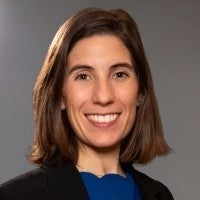
| Julie Angulo, Chief Operating Officer, Veolia Hazardous Waste North America |
Julie has dedicated her career to turning waste into resources and commodities to limit our negative impact on the environment. A visionary and authentic leader, she never stands still to protect the planet and to have a positive impact on people. Julie leads the operations of Veolia’s $2.5B North American hazardous waste division, where she ensures the safe and compliant management of waste from industries and manufacturers. A Young Leader of the French American Foundation, she is an advocate for transatlantic dialogue. | |

| Dr. Alan Jaske, Associate Principal, Charles River Associates |
| Alan Jaske is an associate principal in CRA’s Antitrust and Competition Practice. An expert in economic theory, his experience spans multiple jurisdictions and a wide range of industries including agriculture, manufacturing, consumer products, healthcare, transportation, telecommunications, enterprise networking, and waste management. Beyond merger analysis, Dr. Jaske has conducted both theoretical and empirical analysis in antitrust litigation involving monopolization, anticompetitive bundling, algorithmic collusion, and harms to innovation. Dr. Jaske received his PhD in economics from Duke University, where he conducted research on the economics of innovation, taught undergraduate and graduate courses in economics, and worked as an independent consultant. | |